Content exploring life, theology, faith, and the church.

Why Genesis Breaks Faith When We Read It Wrong
Many people lose faith because of how they were taught to read Genesis. This article explores Genesis 1 and 2 as theological wisdom, not science, and offers a better way to read the Bible without losing faith.
What If the Bible Was Never Meant to Give You Answers
The Bible is often treated like a book of answers. But Scripture itself tells a different story. This piece explores wisdom, wrestling, and spiritual maturity through Job, Ecclesiastes, Jesus, and the Psalms.
Why Faith Still Matters When You Feel Done With Church
What do you do when church no longer feels safe or honest but faith still matters to you. This article explores doubt, church disappointment, and the prayer “I believe, help my unbelief” as a way forward for those still drawn to Jesus.

The Corporate Church Problem Nobody's Talking About.
Why do so many churches feel unsafe today? Explore how leadership structures, power, and business models contribute to church hurt, and how healthy faith communities can still be found.
How to Read the Bible Without Guilt, Fear, or a Checklist
Learn how to read the Bible without guilt, fear, or rigid reading plans. Discover a thematic approach to Scripture that invites wisdom, not pressure.

Looking Back on 2025. And Why 2026 Matters More Than Ever.
A reflective look back on 2025 and a hopeful vision for 2026. An honest exploration of faith, doubt, church hurt, and creating space for thoughtful questions about the Bible and Jesus.
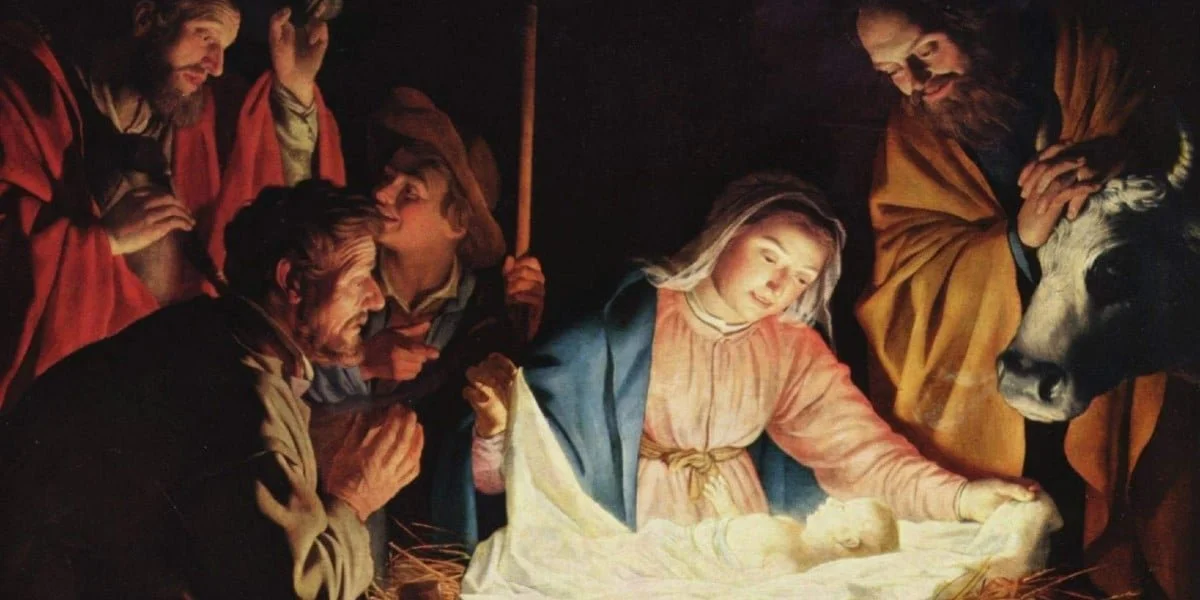
Why Did Jesus Come? Christmas as a Story of New Creation
Why did Jesus come at Christmas? This article explores the biblical story of Jesus’ birth as God’s act of new creation, tracing Genesis, the Gospels, and what it means for the world today.
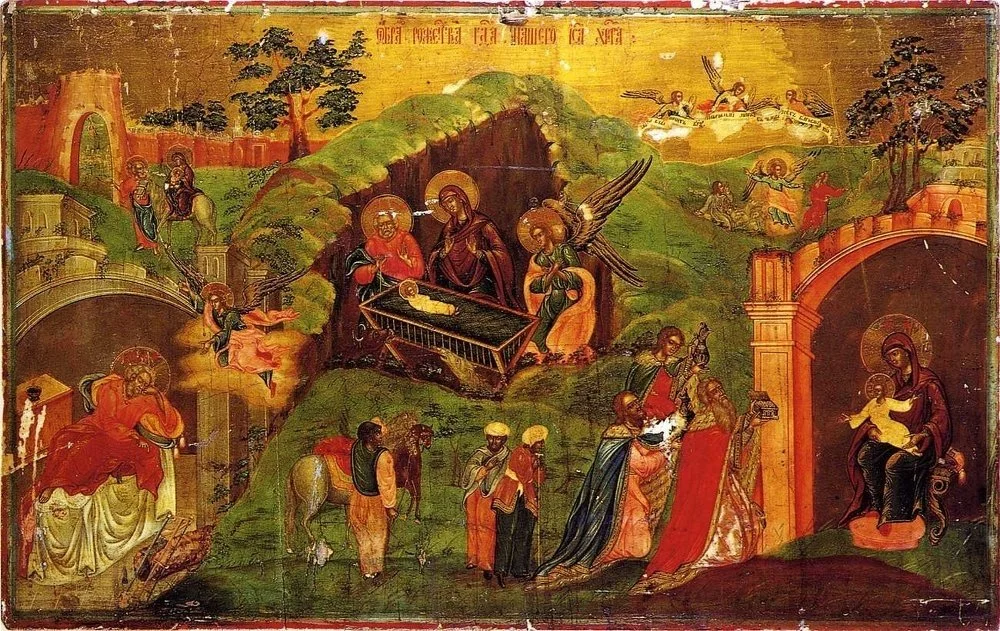
Why Did Jesus Really Come?
Many people believe Jesus came mainly to secure personal salvation, but the Bible tells a much larger story. This article explores why Jesus came, how the kingdom of God reframes the Christmas story, and what it means to participate in God’s renewing work on earth. Ideal for the spiritually curious, skeptics, seekers, and anyone rethinking faith through a deeper biblical lens.

What an Ancient Christian Poem Reveals About Jesus and Us
This article explores the ancient Christian poem in Philippians 2 and what it reveals about Jesus, power, humility, and what it means to be human. By walking through Paul’s teaching on the mind of Christ, it uncovers how Jesus redefined power through self giving love rather than control, and why this matters for anyone who is spiritually curious, skeptical of religion, or wrestling with faith today. If you are searching for a fresh and historically grounded way to understand Jesus, early Christianity, and your own spiritual healing, this reflection offers a clear and thoughtful guide.
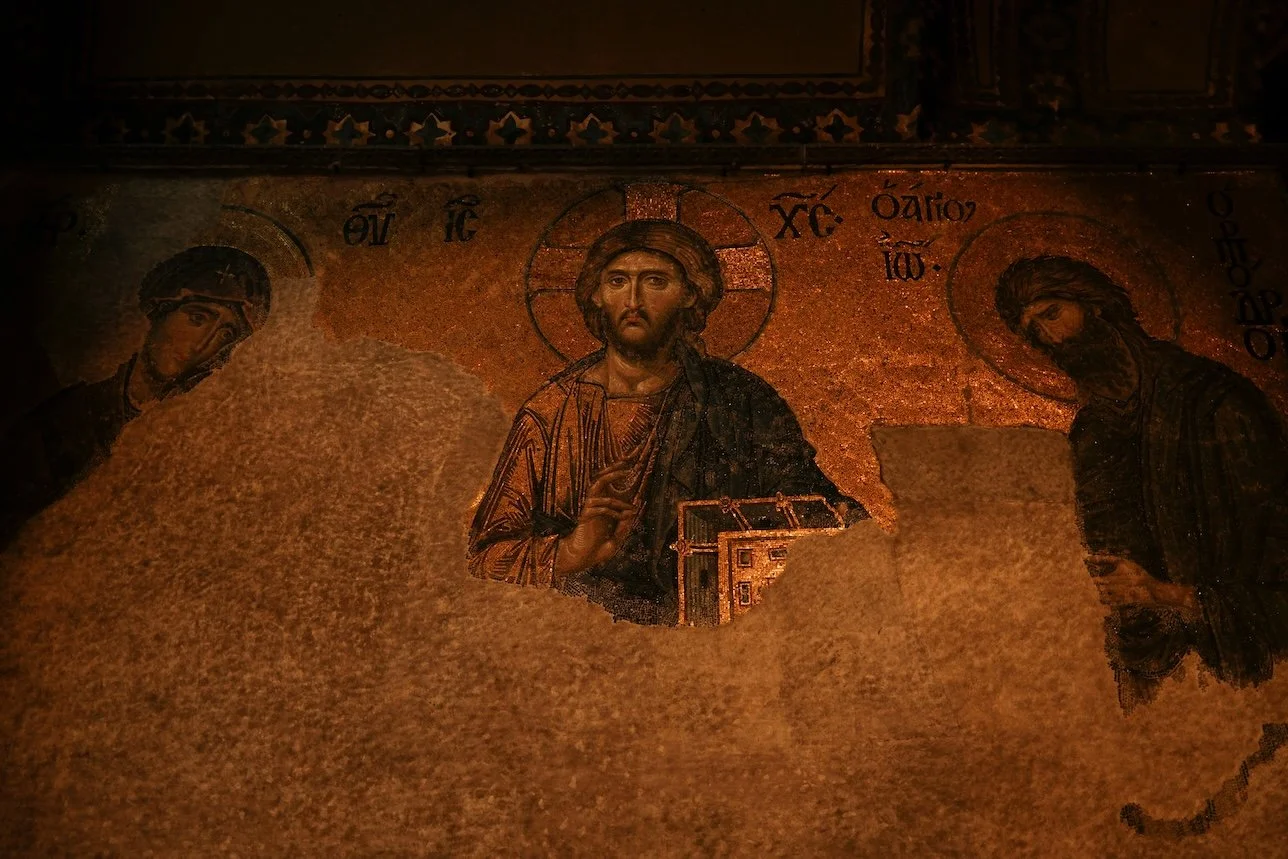
Thinking Like the Messiah. What Paul Believed About Life After Death and Why It Still Matters
What does it mean to think like the Messiah. And what did Paul actually believe would happen the moment he died. In this deep dive into Philippians, we explore how Paul teaches his community to adopt the mind of Christ, how the gospel grows through weakness rather than power, and why your life still has meaningful work to do. We look closely at Pauls surprising comments about death, what he expected after dying, and how that connects to resurrection and new creation.

What It Really Means to Be a Servant of Jesus. A Fresh Look at Philippians 1
There is a question many of us carry but rarely say out loud. What does it actually look like to be a servant of Jesus. Not in the overly religious sense that gets shaped by church culture, but in the way the earliest Christians understood it. That question sits right at the front of the letter to the Philippians and it is one of the reasons this ancient writing still has something to say to people who are spiritually curious and unsure how faith works in real life.
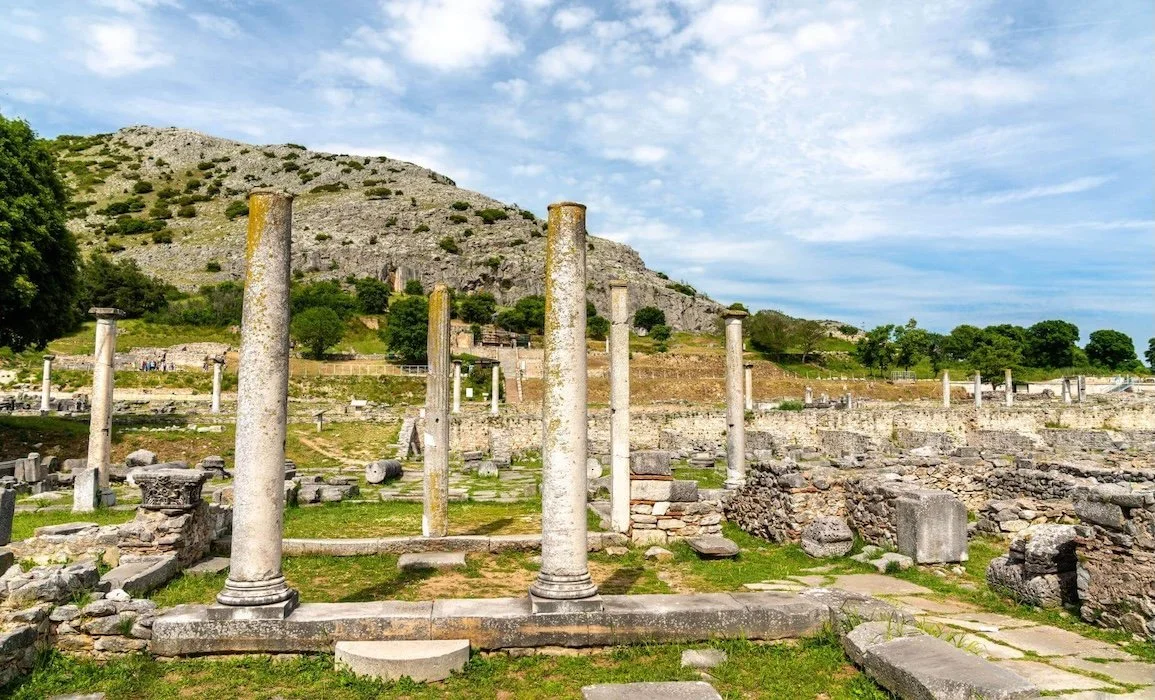
Philippians Introduction. Lydia, Philippi, and the Surprising Origins of a First Century Church
Before you can understand the letter to the Philippians, you have to know the story behind it. This article walks through Acts 16 to explore how the church in Philippi began, from Lydia and her household, to the enslaved girl, to the Roman jailer who asks, “What must I do to be saved.” Along the way, we look at Philippi as a proud Roman colony, how Luke and Acts fit together, and why early Christian letters like Philippians were seen as inspired wisdom for more than one local church.

A Better Way to Read the Bible
Discover a better way to read the Bible that goes beyond daily checklists. Joe shares how slowing down, asking questions, and reading in context opens up the story and helps you hear what it’s really saying.
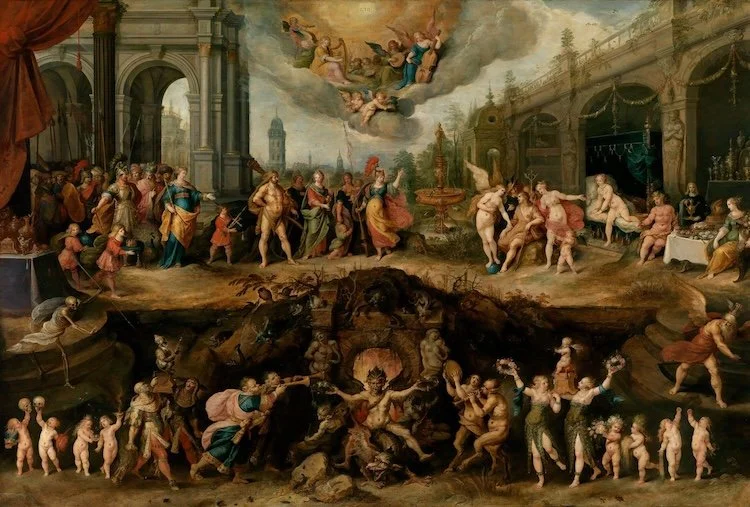
Rethinking Hell. What the Bible Actually Says
What is hell according to the Bible. Explore Sheol, Gehenna, and Hades, how translation shaped our views, why Jesus used the language of judgment, and how early Christians understood death and resurrection

Is Progressive Christianity Hurting Christianity
Is progressive Christianity hurting Christianity. This article explores why the debate is so intense, how Scripture models discernment across contexts, and how doctrine grows through prayerful struggle. The aim is faithful allegiance to Jesus, truth in love, and a better way to disagree.

Finding God in Ordinary Moments
Stop chasing only big spiritual highs. Discover how to see God in conversations, laughter, grief, and simple acts of love that shape your day.

How to Pray When You Have No Words
Prayer is not a performance. Discover an honest way to pray, guided by the Lord’s Prayer and Psalm 130, with practical steps you can use today.

When Church Stops Feeling Safe
Church is supposed to be the safest place in the world—but for many, it’s where they’ve learned to hide. In this article, Joe Oliver unpacks why so many faith communities become unsafe spaces for honest questions and growth. From rigid systems and performance culture to fear, shame, and misplaced priorities, he explores what’s gone wrong—and what Jesus actually calls the church to be. Discover a vision of faith communities marked by gentleness, confession, and real restoration.
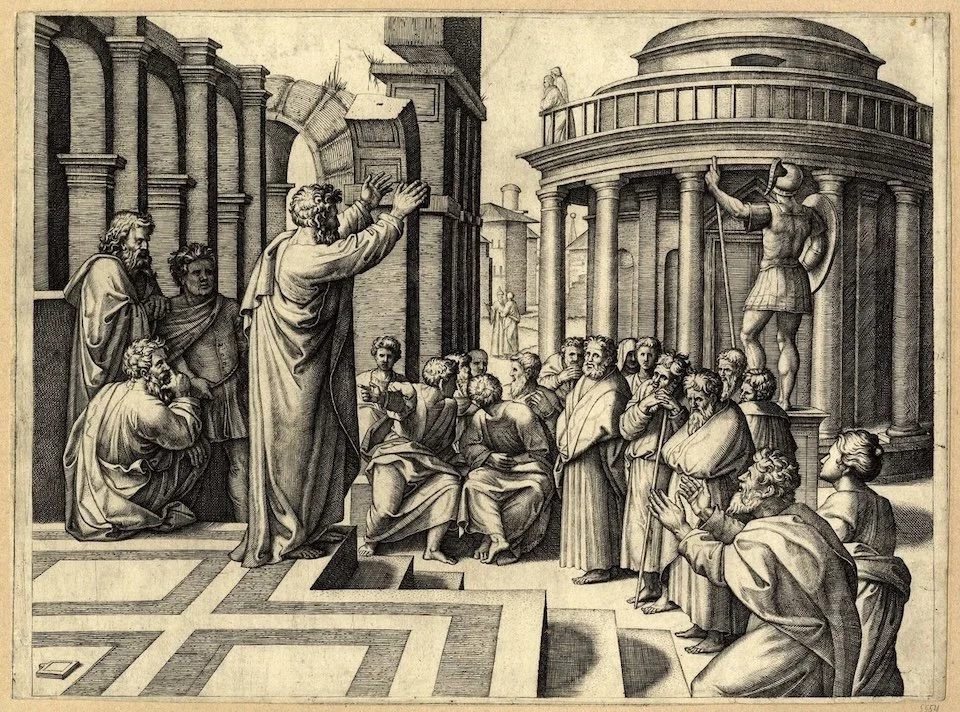
Is Apologetics Helping Us Or Hurting Us?
Apologetics is often seen as the frontline defense of the Christian faith. But what if this practice of proving, debating, and defending is actually doing more harm than good? In this video, we’ll explore why apologetics may be unintentionally damaging Christianity, how it can miss the heart of faith, and what a better way forward could look like. Whether you’re skeptical, spiritually curious, or wrestling with belief, this conversation opens space for a fresh perspective on what it means to follow Jesus today.

Is the Bible Perfect or Full of Mistakes? Rethinking Inerrancy and Trust
Many wrestle with whether the Bible is flawless or filled with contradictions. This article explores the history of inerrancy, Augustine’s view, Paul’s own human moments, and what “God-breathed” really means. Rather than a rulebook, discover how Scripture offers wisdom and life that can still be trusted today.