Why Faith Still Matters When You Feel Done With Church
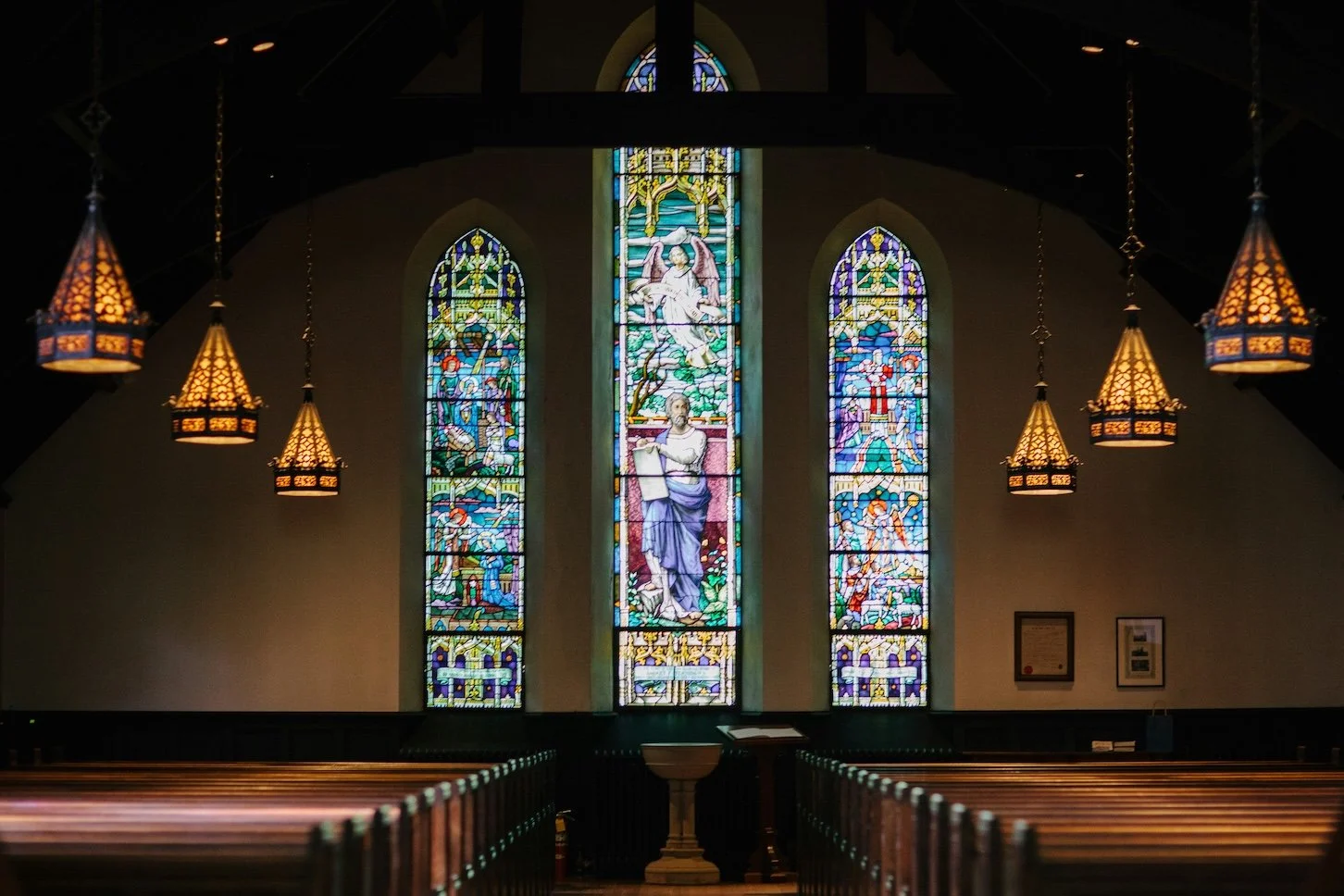
There is a particular kind of tension that a lot of people live in quietly. It is not the loud, angry kind of leaving where you slam the door on faith and never look back. It is much more subtle than that. It is the feeling of being done, but not done. Done with church systems. Done with certain teachings. Done with leaders who refuse to answer honest questions. And yet, somehow, not done with God. Not done with Jesus. Not done with faith itself.
I hear this from people all the time. Some have already left church spaces. Others are still there every Sunday, still serving, still smiling, still sitting next to friends they love, even though inside something has shifted. They stay because their community is there. Their history is there. Their relationships are there. But belief, at least as it is being presented, no longer fits. So they hang on, unsure of where else to go, unsure of what leaving would actually cost.
This is not just a conversation about people who have walked away from church. It is also about people who are still inside it, quietly carrying questions they do not feel safe to ask.
For many, this journey begins when faith stops being simple. What once felt clear starts to feel fragile. The beliefs you inherited no longer add up in the same way. You hear more stories. You experience more life. You see more harm done in the name of God. And suddenly, the answers you were given as a kid feel thin. That does not mean you want to walk away from Jesus. It means you want honesty. You want integrity. You want a faith that can survive real questions.
Some people call this deconstruction. That word has taken on a lot of baggage, especially in church leadership spaces. It is often framed as rebellion, pride, or a desire to avoid accountability. I reject that framing entirely. The people I have known who are actually wrestling with faith are not looking for an easy way out. If anything, they are choosing the harder road. Walking away without thinking is easy. Sitting in the tension, asking uncomfortable questions, and refusing to settle for shallow answers is not.
Deconstruction, at its best, comes from caring deeply. It comes from the sense that something matters enough to be examined. That if faith is going to be real, it has to be honest.
I remember the first time someone asked me a question that genuinely challenged what I believed. Not to attack me, not to win an argument, but simply to ask whether the thing I had been taught was actually true. That moment cracked something open in me. Not in a destructive way, but in a freeing one. It was the beginning of a thinking faith. The realization that belief is not the same thing as repetition, and that trusting God does not require turning off your mind.
Around that same time, I also experienced the opposite response. I asked a sincere theological question and was immediately shut down. Not invited into conversation. Not walked through the reasoning. Just warned that I had been reading the wrong things and needed to stop. That moment taught me something just as important. When leaders are threatened by questions, it is often because their authority depends on certainty rather than truth. That kind of leadership protects systems, not people.
And yet, even as my trust in certain church structures began to erode, my faith in God did not disappear. That distinction matters. My struggle was never really with Jesus. It was with how Jesus had been packaged, controlled, and defended by institutions that confused loyalty with faithfulness.
This is where a story from the Gospel of Mark has become deeply meaningful to me. It appears in Mark chapter nine, right after the moment where Jesus is revealed in glory on the mountain. That moment feels like a high point, a clear declaration of who Jesus is. And immediately after, everything gets messy again. Which feels about right.
A father brings his son to Jesus. The boy is suffering. The disciples have already tried and failed to help him. The situation is desperate and exhausting and long-standing. When the father speaks to Jesus, he says something striking. “If you are able to do anything, have compassion on us and help us.”
Jesus pushes back. “If you are able?” It is not cruelty. It is invitation. A reminder that faith is not about what might be possible. It is about trust grounded in what has already been revealed.
Then comes one of the most honest prayers in all of Scripture. “I believe. Help my unbelief.”
That sentence holds the tension so many people feel. Belief and unbelief existing at the same time. Not pretending. Not choosing one over the other. Just telling the truth. I believe, but I am struggling. I want to trust, but I am tired. I am taking a step, even though I cannot see the whole path.
This is not weak faith. This is real faith.
Faith, in the biblical story, has never been about certainty. It has always been about trust. And trust is not rooted in the present moment alone. Trust grows out of memory. That is why the Scriptures constantly invite people to remember. Remember deliverance. Remember faithfulness. Remember goodness. Not because everything is clear right now, but because God has been faithful before.
When someone says they are done, what they often mean is that they are done pretending. Done suppressing doubt. Done forcing themselves into systems that no longer feel aligned with the character of Jesus. But that does not mean they are done with God. It often means they are finally being honest.
Church culture, especially when it becomes tribal, makes this honesty difficult. There is usually a center, a norm, a way you are expected to believe, behave, and belong. When you drift from that center, even quietly, you feel it. Questions make you suspect. Doubt makes you unsafe. So people stay. They play the role. They keep showing up because leaving feels like losing everything at once.
That is why this conversation matters. Because faith does not have to be all or nothing. You do not have to choose between blind certainty and total abandonment. There is a way forward that begins with a simple, courageous step. I believe. Help my unbelief.
That prayer creates space. Space to question without fear. Space to let go of what is no longer true. Space to rebuild something deeper, more resilient, more honest. It does not promise easy answers. It promises companionship. It promises that God is not offended by your questions and is not threatened by your doubts.
If you are in that place, feeling finished with church but not finished with faith, you are not alone. The Scriptures are full of people who wrestled, questioned, doubted, and still found themselves held by God. Abraham. Thomas. The psalmists. Even the disciples themselves.
Faith has always been a journey, not a performance. It is not about having everything figured out. It is about staying open. Taking the next step. Refusing to quit Jesus because of the harm done in his name.
So if you are tired, slow down. Breathe. Take an honest inventory of what you still believe. Let go of what no longer serves life. Hold onto what is good. And if all you can manage right now is a quiet, shaky prayer, know that it is enough.
I believe. Help my unbelief.