How to Read the Bible Without Guilt, Fear, or a Checklist
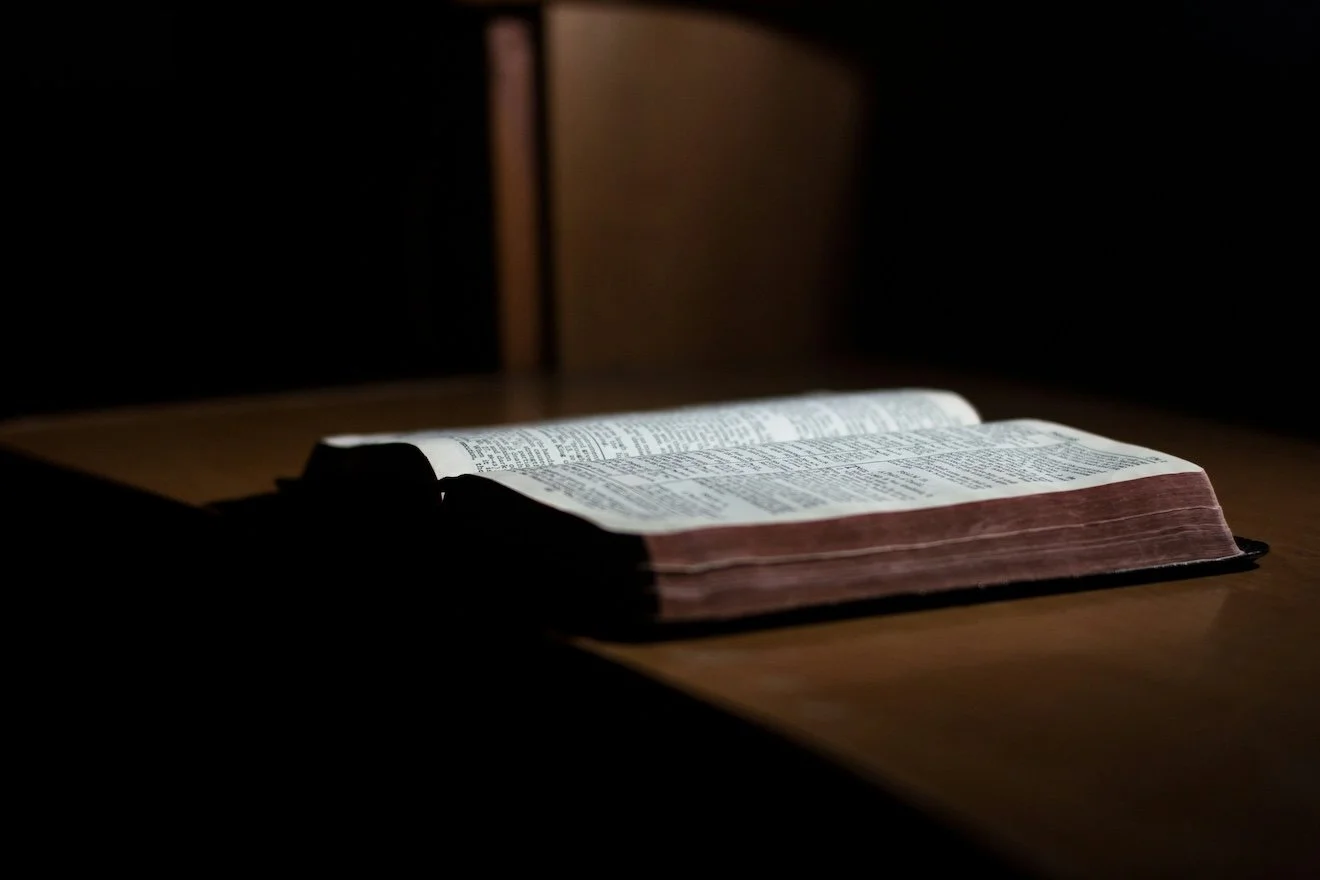
It is the start of a new year, and maybe you have found yourself thinking that this is the year you are finally going to read the Bible. Or maybe read it again. Or maybe actually understand it this time. That thought usually brings a few others with it. Where do I begin. How should I read it. What am I supposed to be looking for when I do.
If that sounds familiar, you are not alone. Many of us have lived most of our lives inside those questions. And if we are honest, a lot of the ways we have been taught to read the Bible have not helped us love it, trust it, or even want to open it.
For many people, reading the Bible was never framed as an invitation. It was framed as an obligation. A task to complete. A discipline to measure. Read this much per day. Finish it in a year. Do not fall behind. When that inevitably happens, guilt and shame are never far behind.
Some people genuinely thrive on Bible in a year reading plans. That is true. For others, those same plans slowly turn Scripture into a burden. And anytime guilt becomes the primary motivation for opening the Bible, something has already gone wrong.
The Bible was never meant to be approached like a spiritual checklist or a performance review. It was not written as a rulebook or an answer key for every problem we face. When we treat it that way, we almost guarantee that we will miss what the text is actually trying to offer.
One of the most common approaches to reading the Bible is problem driven. We are hurting, anxious, confused, or stuck, so we go to the text looking for answers. We want a verse to fix our marriage, our faith, our fear, or our doubt. While the Bible absolutely speaks to human experience, approaching it this way often forces the text to say what we want it to say rather than allowing it to speak on its own terms.
The Bible does not contain a direct answer for every question we bring to it. These are ancient writings shaped by cultures, assumptions, and worldviews very different from our own. When we demand immediate solutions, we often end up projecting our needs onto the text instead of receiving its wisdom.
Another unhealthy approach is reading simply to get through it. Checking boxes. Finishing chapters. Staying on schedule. That mindset turns Scripture into something to survive rather than something to sit with. It makes reading about discipline instead of formation.
What the Bible invites us into instead is meditation. Slowing down. Returning to the same passages. Allowing the text to shape us over time. Not rushing to conclusions. Not racing to the end. Wisdom is rarely gained quickly, and Scripture never seems in a hurry.
The Bible is wisdom literature. It is concerned less with giving quick answers and far more with forming wise people.
But it is also something more.
The Bible is best read thematically. Not systematically. Not as a disconnected collection of verses. But as a grand narrative that unfolds across time. A story made up of many stories, all pointing toward something larger.
That idea can make people uneasy, especially when we acknowledge how complex the formation of the Bible actually is. These texts were written over centuries, by many authors, in different places, languages, and cultural moments. Some stories were preserved orally long before they were written down. Others were edited, expanded, or reworked as they were passed along. Scripture itself is honest about this process.
The writing of the Bible was not clean or linear. The compilation of the Bible was not accidental. Texts were gathered, shaped, and arranged by communities asking real theological questions. Who is God. What has gone wrong. Where is God in the midst of suffering and exile. What does it mean to be God’s people now.
Those questions shaped how the texts were preserved and passed on. That does not diminish Scripture. It helps us understand what it is. These writings are not modern history textbooks. They are theological histories. They preserve identity, memory, and meaning as much as they preserve events.
The same is true of the New Testament. The writings about Jesus are not exhaustive biographies. They are purposeful accounts written to shape belief, allegiance, and imagination. The authors chose certain stories because they served a theological purpose. They wanted readers to see who Jesus is and what his life means for the world.
Once we accept that the Bible is theological at its core, much of the pressure disappears. We no longer have to treat it like a fragile structure that collapses under scrutiny. We can let it be what it is. A collection of inspired writings offering wisdom for life.
From there, thematic reading becomes not only possible, but natural.
Instead of asking what rule applies here or what answer solves my problem, we begin asking different questions. What is the story being told. What theme is unfolding. How does this passage fit within the larger narrative of what God is doing in the world.
For many readers, Genesis chapters one through three function as a foundation. Creation. Order. Vocation. Image bearing. Chaos. Fracture. And the refusal of God to abandon what he has made. These themes echo throughout the rest of Scripture.
Likewise, the closing chapters of Revelation offer a vision of restoration. New creation. Healing. God dwelling with humanity again. These scenes are not an escape from the world, but a hope for its renewal.
Everything in between lives in the tension between those two moments.
When the Bible is read thematically, it stops being something we use and becomes something that forms us. It stops functioning as a measuring stick and begins functioning as wisdom. It invites patience instead of pressure, curiosity instead of fear.
This way of reading does not require you to resolve every debate or answer every historical question. It does not ask you to ignore complexity or uncertainty. It simply invites you to listen for the story beneath the stories and to allow that story to shape how you live.
If you want to read the Bible this year, let go of guilt. Let go of fear. Let go of the checklist.
Read slowly. Read thoughtfully. Read thematically.
Ask not only what the text says, but what story it is telling, and how you might be invited to live within it.
That is where wisdom begins.