Belief, Doubt, and the 40 Days Nobody Talks About
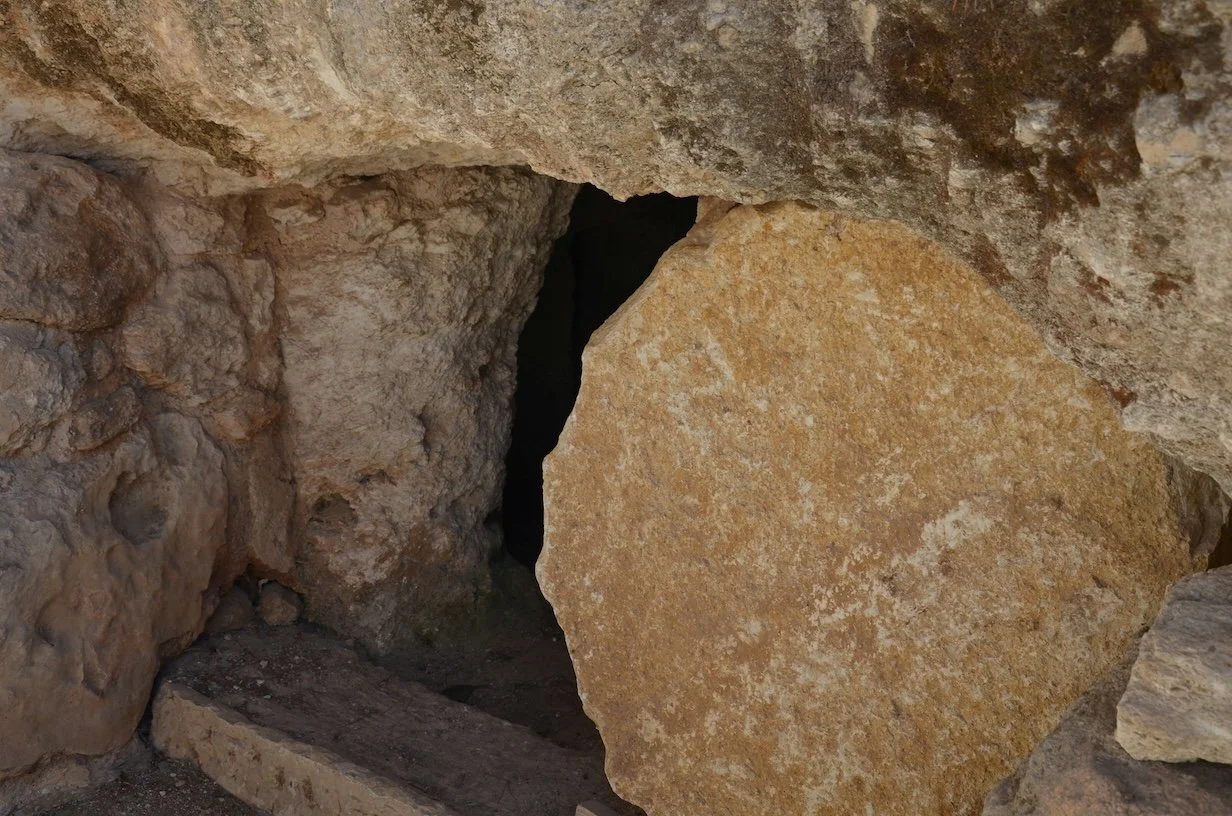
Easter Sunday is a massive deal. It should be. But nobody stops to ask the question.
What happens on Monday?
Easter Sunday hits. It's huge. It's celebratory. There's a high. And then Monday shows up, and you have to go back to work. Back to your normal life. The hype evaporates.
I wonder what that was actually like for the first followers of Jesus. They had just experienced the resurrection. Jesus is alive. And then Monday shows up.
What do you do with that?
The Gap Nobody Talks About
When we think of the resurrection story, most of us picture it like this. The stone rolls away. The women are there. Go tell my disciples. And then cut to: Jesus on a mountain, giving the Great Commission, ascending to be with God. Boom. Done. Disciples go start the church.
That's how Matthew 28 can feel if you read it fast. Verse 10, Jesus tells the women to go find his disciples in Galilee. Then verse 16, there they are on the mountain and he's giving instructions and ascending. Feels like it happens on the same day, right?
Except the gap between verse 10 and verse 16 is 40 days.
Forty days. And what happens inside that gap is some of the most honest, under-explored territory in the whole New Testament. Because what you find there isn't triumphant disciples boldly marching out to change the world. What you find is people who were still working it out.
The Road to Emmaus
Take Luke's gospel. At the end of Luke, you have this story. Two disciples are walking home out of Jerusalem. They're heading to a place called Emmaus. And they're in a heated conversation about everything that just happened. Jesus shows up and walks alongside them, but they don't recognize who he is. Which is fascinating on its own. But stay with me.
Jesus asks them what they're talking about. And they stop. And they stand there looking sad. One of them, Cleopas, basically goes, "Are you the only person in Jerusalem who doesn't know what just happened?" And Jesus, tongue-in-cheek, says, "What things?"
Cleopas goes through the whole story. Jesus of Nazareth. Mighty prophet. Powerful in word and deed. Our chief priests handed him over to be condemned and crucified. And then he says this.
But we had hoped that he was the one who was going to redeem Israel.
We had hoped.
That's past tense. That's a man who had put his trust in Jesus, watched him get murdered by the system, and is now walking home trying to figure out what to do with the rubble of that belief. The resurrection had happened. And still, walking away from Jerusalem, this guy is in the past tense.
Eight Days Later
Then you get John's gospel. Chapter 20. The disciples are gathered together. Jesus had already appeared to some of them. But not Thomas. And when the others tell Thomas that Jesus is alive, Thomas doesn't just say "okay, i’m in.” He says unless I can touch the wounds in his hands and his side, I will not believe.
That's not a small statement. That's a man who understood how Rome worked. When Romans killed someone, they erased them. Completely. Horrifically. And Thomas knew that. His skepticism wasn't faithlessness. It was grief and realism colliding.
And then verse 26 drops this detail that I think we blow past too fast.
Eight days later.
Eight days. The disciples are together again. Thomas is with them this time. Jesus shows up. Thomas gets to touch the wounds. And then in chapter 21, right after that, it says Jesus revealed himself again to the disciples, this time by the sea. The fishing story. Breakfast on the beach with Peter.
So in John alone, you have at least three separate appearances. And they're spaced out. Days apart. Maybe more. The text doesn't pin it all down to a single morning.
Forty Days of Convincing
And then you get to Acts. Luke's second volume. And this is where it really opens up. In Acts 1:3, Luke writes this about Jesus after the resurrection.
He presented himself alive with many convincing proofs. He was seen by them over a period of forty days. And he spoke about matters concerning the Kingdom of God.
Sit with that for a second.
Jesus resurrects on Sunday. And then spends the next forty days appearing to people, performing miracles, teaching about the kingdom, and actively convincing them that what had just happened was real.
Which means it wasn't instantaneous. It wasn't one moment where everything clicked and doubt evaporated. There was work happening. There was process. There was Jesus showing up again and again because people needed more time to work it out.
Paul even points to this in 1 Corinthians 15. He's writing to churches in Corinth and recounting the resurrection appearances. And he mentions that Jesus appeared to more than five hundred people at one time. And then he says this. Most of whom are still alive.
He's basically saying, you still need more convincing? There are five hundred living witnesses. Go ask them.
What Belief Actually Is
Here's the thing I think is worth pulling out of all of this.
When the New Testament talks about belief or faith, it's using a Greek word, (πίστις) pistis, that is maybe better translated as trust. The invitation in the text isn't to have everything figured out. It's not to have all your questions answered. It's to take a first step of trust. I'm willing to put my weight on the way of Jesus and see where that goes.
But believing, the ongoing thing, the continuing thing, that requires something from you. It's not a one-time transaction. It's a relationship. And relationships involve work. They involve questions and wrestling and renegotiation and sitting with things that don't resolve cleanly.
What happens a lot in religious systems is that the system tries to short-circuit that process. It tells you that doubt is the enemy of faith. That questions mean you're losing your grip. That uncertainty is something to be corrected rather than explored. And when that happens, you end up shrinking. You end up smaller than the text is actually inviting you to be.
Because look at what the text actually shows you. People who had walked with Jesus for three years. Who had seen miracles. Who had heard the teaching. Who watched him get arrested, tried, and executed by a collaboration of religious power and political machinery. And who, even after the resurrection, needed forty days of Jesus showing up and saying, hey, I'm still here.
They had to renegotiate what it meant to believe in light of everything they had just been through.
You're in Good Company
And here's what I keep coming back to.
If you are someone who has put your trust in Jesus but also carries real doubt. If something happened, maybe inside a church, maybe at the hands of people who were supposed to represent something good, and it broke something in you. If you're sitting there going, I believe, but I also don't know how to believe right now.
You're not outside the story. You're inside it.
Because that's exactly where the disciples were on Monday. And Tuesday. And for forty days after. They were renegotiating in real time. The resurrection hadn't sealed the deal for them in a single moment. They were working it out. And Jesus kept showing up while they did.
There's a moment in the gospels where a man comes to Jesus asking him to heal his child. And Jesus says, do you believe? And the man says, I believe. Help my unbelief.
That sentence is doing a lot of work. It holds trust and doubt in the same breath. And Jesus doesn't send him away. He shows up.
Monday Is Okay
I'm not trying to wrap this up too neatly because I don't think it wraps up neatly. That's kind of the point.
But I want to say this. If you're in a place of renegotiation right now, if your faith got complicated by real things that happened to you, you're not in a bad place. You're in the same place the first followers of Jesus were in. Working it out. Holding the tension. Still trusting, even when the trust feels shaky.
The text doesn't ask you to have it all figured out. It asks you to keep going.
And maybe that's enough for a Monday.